


The Real Math Behind Slot Machines: What Casinos Don't Tell You
You’re sitting in front of a sparkling slot machine, the reels spinning, and you just know the next pull is going to be huge. We’ve all been there. But beh
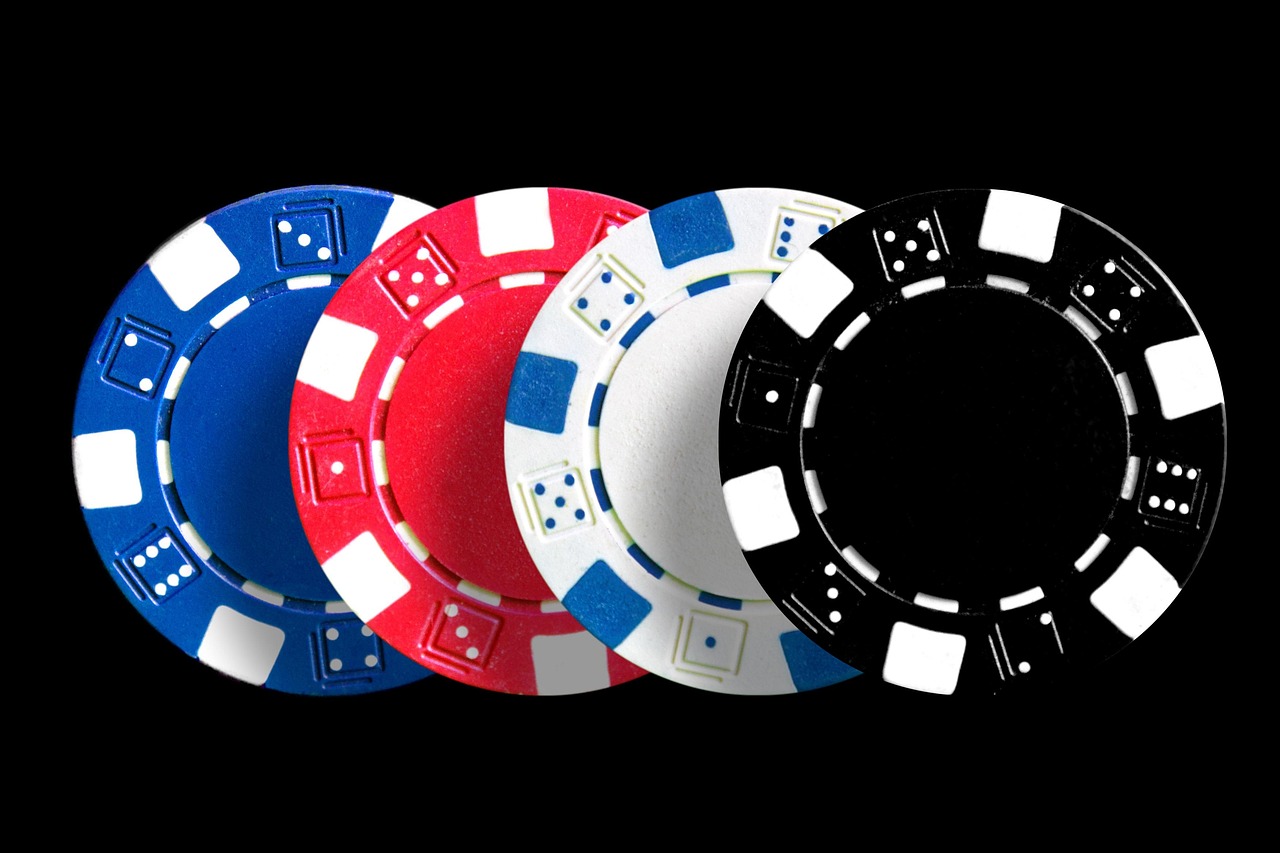
You’re sitting in front of a sparkling slot machine, the reels spinning, and you just know the next pull is going to be huge. We’ve all been there. But behind that flickering screen lies a cold, calculated algorithm that doesn’t care about your lucky streak or how long you’ve been playing. If you’ve ever wondered why some sessions drain your wallet in minutes while others keep you afloat for hours, it’s not fate. It’s math. And once you understand the actual mechanics—RTP, volatility, and house edge—you’ll never look at a slot the same way again. This isn’t about killing the fun; it’s about playing smarter, whether you’re chasing jackpots on slots, bluffing at the poker table, or betting on the big game.
The Holy Trinity: RTP, House Edge, and Volatility
Every casino game, from blackjack to the flashiest video slot, is built on three numbers that define your chances. Ignore them, and you’re basically playing blind.
- RTP (Return to Player): This percentage tells you how much of all wagered money a game pays back over millions of spins. A 96% RTP means the casino keeps 4% as profit—the house edge. But here’s the catch: RTP is a long-term average. In a single session, you could hit a 1000x win or lose 20 spins straight. It’s not a promise; it’s a probability.
- House Edge: The mirror image of RTP. A 4% house edge doesn’t sound like much, but it adds up. Compare that to American roulette’s 5.26% edge or blackjack’s 0.5% (with perfect strategy), and you see why slots are a cash cow for casinos.
- Volatility (Variance): This is how the game pays out. Low volatility slots hit small wins frequently, keeping you entertained but rarely boosting your bankroll. High volatility slots are like desert storms—long dry spells followed by torrential downpours. Think Book of Dead (high volatility) versus Starburst (low volatility). Your choice should match your budget and patience.
Most online casinos list RTP in the game info, but land-based machines? Often hidden. The average slot RTP sits between 92% and 97%, but some penny slots dip to 85%. That’s a massive difference over time.
Why ‘Due for a Win’ Is a Dangerous Myth
Let’s bust the biggest fallacy in gambling: the gambler’s fallacy. You’ve lost 10 spins in a row, so the machine is “due” for a payout, right? Wrong. Each spin is an independent event. The reels don’t remember your last loss. A slot with a 1 in 50,000 chance of hitting the jackpot has that same chance on every single spin, regardless of what happened before.
This is why chasing losses is a one-way ticket to broke city. Casinos love players who believe in patterns. They design machines with near-miss effects—two jackpot symbols and a third just off the line—to trick your brain into thinking you almost won. It’s psychological warfare, and the house always wins the long game. The only way to beat it is to treat every session as entertainment, not an investment.
Slots vs. Poker vs. Sports Betting: Where’s Your Edge?
Not all iGaming is created equal. If you’re serious about maximizing your playtime or even turning a profit, you need to know where skill can tip the scales.
- Slots: Pure luck. The only decisions you make are which machine and bet size. Your edge? Choosing high-RTP games (96%+) and managing your bankroll like a pro. Never bet more than 1-2% of your total bankroll per spin.
- Poker: This is where skill matters. In Texas Hold’em, a skilled player can have a positive expected value (EV) over time by exploiting weaker opponents. The house takes a rake (usually 5-10% of the pot), but you’re playing against other players, not the casino. Study pot odds, position, and bankroll management. It’s a grind, but it’s beatable.
- Sports Betting: Similar to poker—your edge comes from knowledge. Line shopping (finding the best odds across books) and understanding implied probability can give you a slim margin. But beware: the house edge on parlays can exceed 20%. Stick to straight bets or small accumulators.
In short, if you want a fighting chance, poker and sports betting offer a path. Slots are for fun, not income.
Bankroll Management: The Only Strategy That Matters
You can’t control the reels, but you can control your money. Here’s a simple framework used by smart gamblers: สล็อต covers this in more detail.
- Set a loss limit. Decide how much you’re willing to lose before you start. Once it’s gone, you stop. No exceptions.
- Divide your bankroll into sessions. If you have $200 for the weekend, split it into four $50 sessions. Never chase a session loss with the next session’s funds.
- Adjust bet size to volatility. On high-volatility slots, bet smaller (0.5% of session bankroll) to survive dry spells. On low-volatility, you can bet slightly more.
- Take breaks. Gambling fatigue leads to bad decisions. Set a timer every 45 minutes.
- Cash out wins. If you double your session bankroll, pocket half. Lock in profit.
This isn’t about being a buzzkill. It’s about extending your playtime and avoiding the dreaded “I lost it all in 10 minutes” feeling.
The Future of iGaming: What’s Changing
The industry is evolving fast. Provably fair games on blockchain platforms let you verify every spin’s randomness. Cryptocurrencies like Bitcoin and Ethereum are making transactions faster and more anonymous. And live dealer games are blurring the line between online and land-based casinos, with real dealers streaming in HD.
But the core math? Unchanged. The house edge is still there, hidden behind sleek graphics and bonus rounds. The smartest players aren’t the ones who chase jackpots; they’re the ones who understand the numbers and play within their limits.
So next time you fire up a slot or sit at a poker table, remember: the casino isn’t lucky—it’s designed. Your job isn’t to beat the system; it’s to enjoy the ride without letting it take you for everything you’ve got. That’s the real secret the high rollers know, and now you do too.


Post a comment