


The House Always Wins? Why Smart Players Still Love iGaming
Every casino floor tells the same story in neon: the house has an edge, and it isn't shy about it. A European roulette wheel carries a 2.7% house advantage
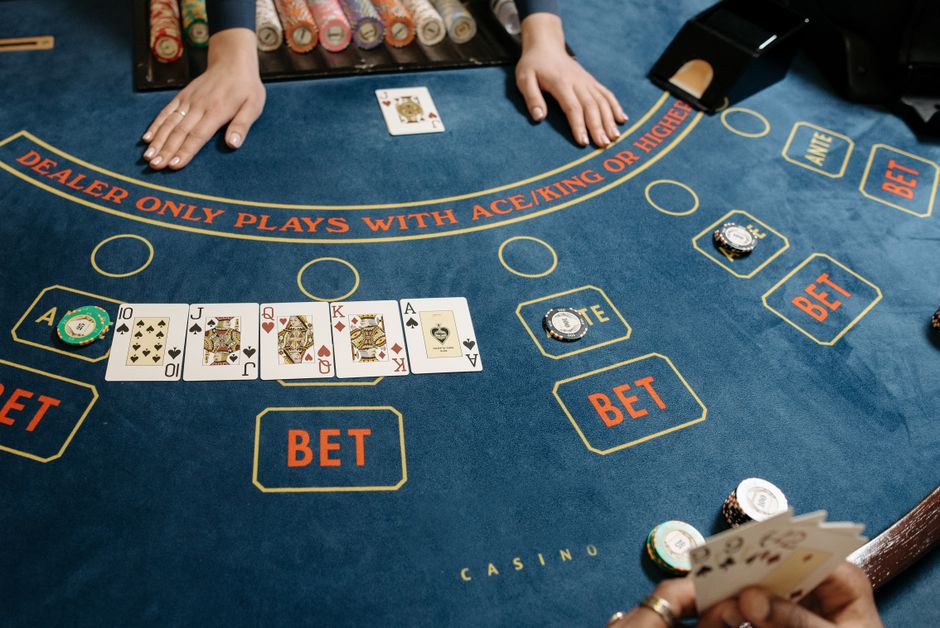
Every casino floor tells the same story in neon: the house has an edge, and it isn't shy about it. A European roulette wheel carries a 2.7% house advantage. American roulette nearly doubles that at 5.26%. Blackjack, played with basic strategy, can shrink the house edge to roughly 0.5%. And yet millions of people log into online casinos every single day, happily feeding the machine they know is tilted against them. That's not stupidity. That's entertainment with a price tag — and the players who understand that distinction are the ones who actually enjoy iGaming for what it is.
The Mathematics You Can't Argue With
Let's get the uncomfortable part out of the way. Slots are the most popular games in any online casino, and they're also usually the worst bet in the building. A typical video slot returns somewhere between 94% and 97% to players over the long run, which means the casino keeps 3% to 6% of every dollar wagered — theoretically, forever. Run $100 through a 96% RTP slot and your expected return is $96, but the variance means your actual result could be $0 or $400 on any given session.
So why do slots dominate? Because the experience isn't really about the math. It's about the cadence. Spins take three seconds. Bonuses interrupt the rhythm in spectacular ways. Somewhere between the mechanical anticipation of a physical lever and the dopamine spike of a scatter symbol landing for free spins, slots deliver something poker and blackjack simply can't: zero thinking required. You can play slots after two glasses of wine and a long workday. That's the whole point. A good place to continue is king 88.
Sports Betting: Where Knowledge Actually Matters
If you want a fighting chance against the house, betting on sports is a different animal. Bookmakers don't set odds against you the way a roulette wheel does — they set odds to balance their book, adjusting lines as money flows in. A sharp bettor can genuinely exploit soft lines, particularly in less popular leagues where bookmakers have thinner data. The classic example: a Tuesday night college basketball game between two mid-major programs gets less modeling attention than an NFL marquee matchup, so inefficiencies linger longer.
The catch, of course, is that the vig — usually 4% to 5% on either side of a standard point spread — is the bookmaker's guaranteed margin. Beat that consistently and you're in rare company. Which brings us to the bigger shift in the industry:
- Same-game parlays have exploded in popularity because sportsbooks promote them aggressively. They carry huge payouts and equally huge house edges, sometimes 20% or more.
- Live betting lets you wager mid-game, which is thrilling but often comes with worse pricing than pre-match lines.
- Cash-out options feel like a safety net but usually shave value off your expected return.
None of this is a scandal. It's just the product. The smart move is to treat every bet as an entertainment expense, not an investment plan.
Poker Remains the Great Exception
Here's where iGaming gets interesting. In poker, you're not playing the house. The house just takes a rake — typically 5% of each pot up to a cap — and steps aside. That means a skilled player can actually win long-term, because the money flows from weaker players to stronger ones rather than into a corporate ledger. Online poker's golden age peaked around 2010, and the games today are noticeably tougher. The recreational fish who used to fill low-stakes tables have largely migrated to slots and sports betting, leaving a pool heavy with grinders.
Still, soft games exist. They cluster in a few predictable places:
- Micro-stakes cash tables ($0.01/$0.02 blinds) where beginners learn without fear.
- Tournament satellites feeding major events, full of players taking wild shots.
- Freeroll tournaments with prize pools funded by the site itself, drawing huge casual fields.
- Off-peak hours in regional markets where regulars sleep and tourists log on.
If you're willing to study ranges, pot odds, and bet-sizing theory, poker offers something no slot machine ever will: a genuine edge that grows with your skill. That's a powerful motivator, and it's why poker forums still buzz with hand histories two decades after the online boom began.
Why iGaming Is Booming Anyway
None of the above explains the sheer scale of growth. In the US alone, commercial gaming revenue hit an all-time high of $66.5 billion in 2023, and online casino and sports betting drove a huge chunk of that. Regulation is the accelerant. Dozens of jurisdictions have legalized iGaming in the last decade, and each new market unlocks millions of players who previously had to drive to a tribal casino or an offshore site with sketchy withdrawal times.
The convenience factor can't be overstated. Compare two evenings: a two-hour round trip to a physical casino, drinks at inflated prices, a pumping floor where you can't hear yourself think — versus a laptop on your couch, a $20 deposit, and a blackjack table that never closes. Regulated online operators also publish RTP figures, undergo third-party audits, and use random number generators certified by labs like eCOGRA or GLI. That transparency doesn't change the house edge, but it does mean the game is mathematically fair, which wasn't always true in the unregulated era.
Playing With Your Head, Not Over It
The players who last are the ones who build rules before they ever deposit a dollar. Practical guardrails that actually work:
- Set a monthly loss limit you'd be comfortable spending on concerts or nice dinners. When it's gone, it's gone.
- Use deposit limits and session reminders, which most licensed operators now offer as standard responsible gambling tools.
- Never chase losses. The math doesn't reset because you're angry.
- Track your results honestly in a spreadsheet. The data will humble you faster than any forum post.
- Mix in free play and demo modes when you're curious about a new game but not committed to the bankroll.
The psychology matters as much as the math. Slots are engineered to deliver near-misses and variable rewards that keep you spinning, and sports betting apps push notifications designed to reopen your account the moment you feel the itch. Recognizing those tactics doesn't make you immune, but it does put you back in the driver's seat.
The Bottom Line
iGaming isn't a wealth-building strategy, and anyone selling that fantasy is selling something else. What it is — when approached with clear eyes — is one of the most engaging entertainment products ever built. The lights, the odds, the split-second decisions at a poker table, the roar of a parlay hitting on the last leg: these are real experiences with real value for the people who enjoy them. The art is knowing which side of the equation you're on. Treat it as an expense with a thrill attached, keep your limits tight, and the house edge stops being a threat. It just becomes the ticket price.


Post a comment